
Pakistan can turn the current crisis in the Middle East into a medium-to-long-term economic opportunity despite immediate pain, Pakistan Banks Association (PBA) chairman Zafar Masud said on Wednesday, urging urgent reforms, closer financial sector coordination and a shift towards energy self-reliance to navigate the unfolding exogenous shocks.
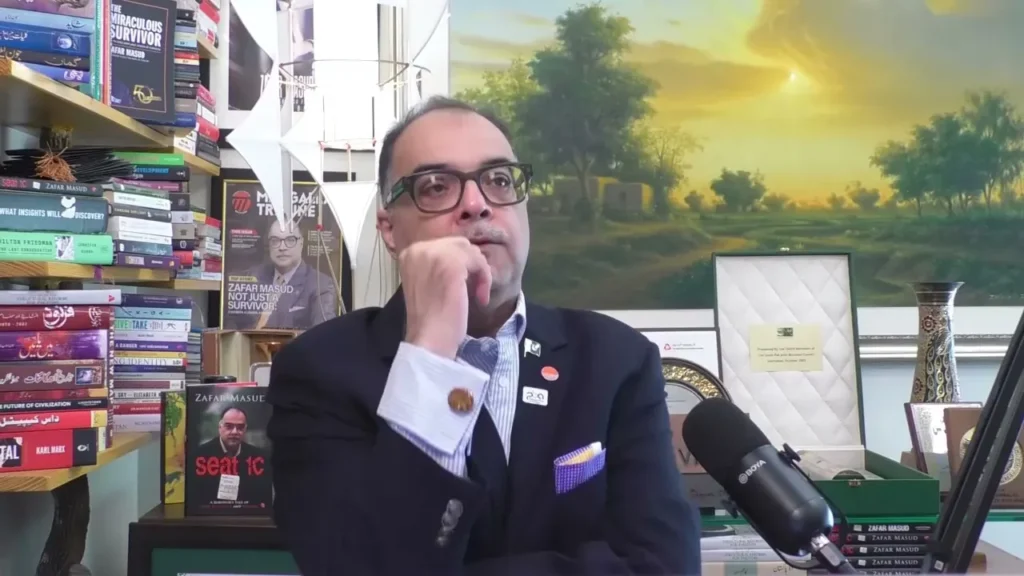
ME crisis an economic opportunity for Pakistan
Speaking at a meeting organised by the Pakistan Microfinance Network, Mr Masud said the ongoing regional crisis, while painful in the short term, presents a window of opportunity for Pakistan over the medium to long term. “We may not escape the immediate pain, but this situation can help position Pakistan to benefit from future opportunities,” he said.
He underscored the interconnected nature of the financial ecosystem, noting that commercial banks, microfinance institutions, industry, trade, agriculture and other sectors function as an integrated system. A shock to any one segment, he warned, would have ripple effects across the entire economy. He stressed the need for greater coordination and information-sharing among stakeholders, particularly given the limited precedent for dealing with a crisis of this scale.
Mr Masud, who is also president/CEO of the Bank of Punjab, highlighted that the microfinance segment, as an extension of the broader banking industry, remains the most exposed to the fallout of the crisis. “Any adverse impact on microfinance will inevitably transmit to the wider banking system,” he said, calling for targeted support, closer engagement and “hand holding” of the sector.
PBA head stresses the need for greater coordination and information-sharing among stakeholders
He said the PBA would assist microfinance institutions in improving risk assessment, identifying emerging vulnerabilities and developing mitigation strategies. At the same time, he said, microfinance providers must reform their own operations by reducing costs, adopting technology and exploring consolidation where necessary. “This crisis also offers an opportunity for structural reform,” he noted, adding that institutions must set aside competition and collaborate to ensure survival amid heightened risks.
At the macroeconomic level, Mr Masud pointed to energy supply disruptions and rising global energy prices as the most immediate threats, cautioning that these would significantly increase the cost of doing business.
Pakistan, he noted, faces a gas shortfall of around 15 percent and a diesel shortfall of about 30pc, although petrol supplies remain stable — at least for now. In this context, he emphasised the need for energy conservation and a shift towards indigenous energy sources, including solar, coal, gas and oil.
“The energy price shock should push us to reduce dependence on imported fuels,” he said, calling for a review of existing contracts and arrangements across the energy value chain, including oil marketing companies, refineries, exploration firms and power companies, to enhance efficiency and resilience.
He also warned that businesses could face additional costs as Middle Eastern economies adjust to post-war realities, potentially through new taxes and levies, necessitating austerity measures in the near term.
Mr Masud identified remittances as another potential risk area. While flows have remained stable so far, prolonged conflict could disrupt inflows from the Gulf, which accounts for around 55pc of Pakistan’s remittances. He said this could potentially widen the current account deficit. However, he said reconstruction activity in the region could eventually boost demand for Pakistani labour, particularly blue-collar workers, creating upside potential for remittance inflows.
On the trade side, he stressed the need to ensure that exports remain competitive despite rising energy costs and that imports are not disrupted by higher insurance costs or constraints in opening letters of credit (LCs). Financial institutions, he added, must closely monitor clients most vulnerable to fuel price volatility and extend support where needed.
The PBA chief acknowledged that the immediate burden of the crisis would fall disproportionately on wage earners, small farmers and SMEs, many of whom are microfinance clients, necessitating targeted relief measures from the government and the State Bank.
He said that while Pakistan remains relatively insulated from the broader fallout beyond energy-related pressures, risks could intensify if the crisis persists beyond this month, underscoring the need for proactive contingency planning.
Despite the challenges, he expressed optimism about Pakistan’s positioning. “If we capitalise on this moment, undertake structural reforms and leverage emerging opportunities — particularly in reconstruction and regional trade — the country can emerge stronger,” he said.
He added that the banking sector remains stable and well-prepared, with the PBA working closely with the finance ministry and SBP on a near-daily basis to monitor developments and respond to any contingencies.
He also pointed to the potential for targeted support initiatives, including subsidised financing for vulnerable segments, as part of the industry’s response.
Published in Dawn, April 4th, 2026